
Where to Stay in Madeira: The Best Areas for Every Type of Trip

Deciding where to stay in Madeira can feel surprisingly overwhelming.
It may only take about 1.5 hours to drive from one end to the other, but the accommodation options feel almost endless.
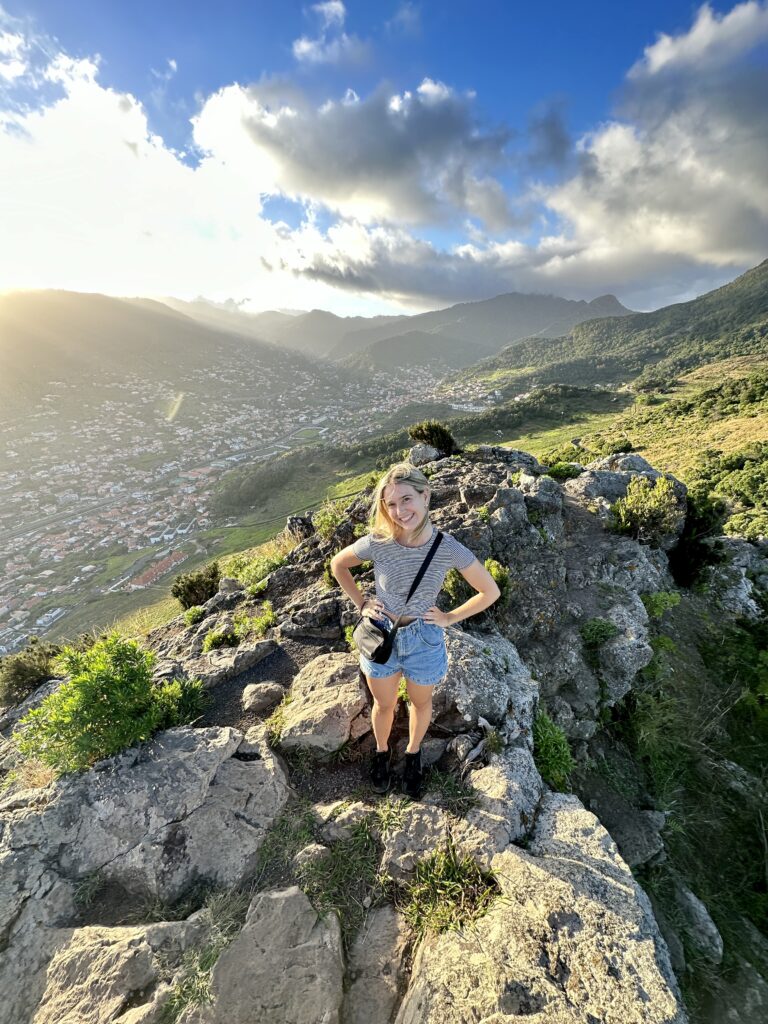
It gets even more confusing when you realise that Madeira’s interior is a steep mountain range. In many places, the hills don’t really stop until they meet the ocean.
Even if two places look close on the map, they can feel very far away in reality.
In this guide, I’ll share the best areas to stay in Madeira and why they might (or might not) suit you. I’ve been exploring the island for over 6 months, so I have a pretty good idea now of what works and what doesn’t for different travel styles.
Disclosure: This post may include affiliate links. If you decide to click through and make a qualifying purchase, I will receive a small commission at no extra cost to you – thanks for your support.
Quick Overview: What is the Best Place to Stay Madeira?
There’s no single “best” area because the best place to stay in Madeira really comes down to how you travel.
If it’s your first time in Madeira or you’re visiting without a car, Funchal is usually the best place to stay. However, if you want to get off the beaten track or stay nearer to hiking trails, I recommend the east or north coasts.
- Best for first-time visitors: Funchal
- Best alternative to Funchal: Caniço
- Best for beaches and hiking: Machico
- Best for slow travel: Ponta Do Sol
- Best for quiet beaches: Calheta
- Best without a car: North coast
Each of these links will take you to a more detailed neighbourhood overview.
The 6 Best Areas to Stay in Madeira
Picking where to stay in Madeira has a bigger impact on your trip than you’d expect, especially if it’s your first visit.
Below, I’ve covered the main areas you could base yourself, and what each one is suited for.
1. Funchal: Best For First-Time Tourists
When it comes to convenience, Funchal is miles ahead of any other destination in Madeira.

It has:
- The widest choice of hotels and self-catering rentals.
- The best public transport overall.
- The best selection of tours and hiking transfers.
You can go whale-watching directly from the city, take the ferry to Porto Santo, and take the bus to the Funchal natural pools. The Old Town, walkable, is packed with restaurants, coffee shops, bars, museums and churches.
I recommend basing yourself in the Old Town for convenience, where my favourite hotels are Hotel Madeira and Barceló Funchal Oldtown – both with rooftop pools.
The downside? It’s busy, touristic, and doesn’t show you the wild side of Madeira island.
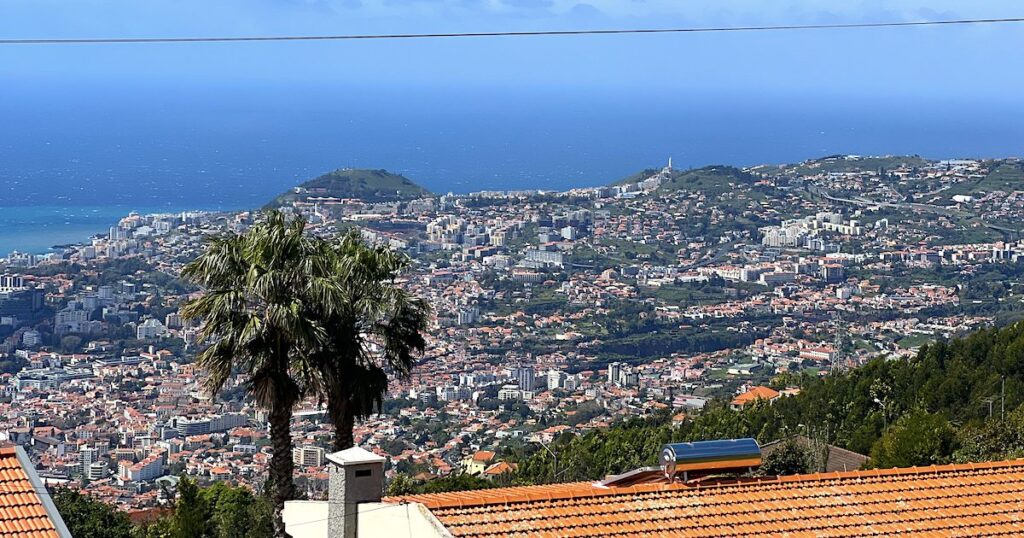
If you were attracted to Madeira by its sheer cliffs and tall mountains, and if you’re okay to rent a car, you may want to stay somewhere more rural like the north coast.
I’ve broken down the best areas, who they suit and where to avoid in my full guide to where to stay in Funchal. For specific hotel recommendations, check out my guide to the best hotels in Funchal.
2. Caniço: Laidback Alternative to Funchal
Located a 15-minute bus ride from Funchal, Caniço is a quieter, more ‘local’ base with good, budget-friendly holiday rentals.

It’s a strong alternative, especially because the buses are regular and cheap, and the town itself has a lido, a scenic swimming spot called Reis Magos, and a good selection of shops and restaurants.
I have a friend who lived in Caniço and, whenever I visited, it was such a refreshing break from the chaos of Funchal.
If you’re going to stay in a hotel, I recommend checking out Sentido Galosol near Reis Magos.
3. Machico: Great For Walkability And Beach Access
Machico is one of the most walkable cities in Madeira, and home to one of Madeira’s very few sandy beaches. This has always been my go-to place to stay in Madeira.
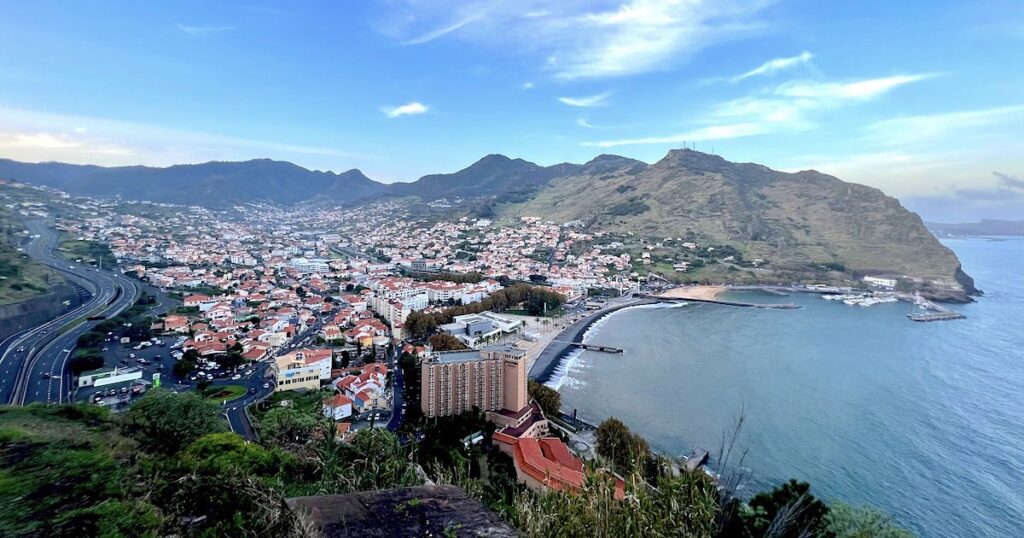
Like me, you can stay in Machico if you want to be able to go swimming, hiking and café-hopping without driving.
Staying central (near the beach) is key – make sure to check Google street view because some streets can be steep. White Waters Hotel and Amparo are both good options near the beach.
The bus connections to Funchal are good, but journeys take up to an hour.
Therefore, Machico is best for laidback stays with plenty of beach time, hiking, and relaxation. There’s no nightlife here, but it’s quiet and scenic. Plus, it’s only a five-minute drive from the airport.
My guide to where to stay in Machico explains the best areas to stay in more detail.
4. Ponta do Sol: Best For Slow Travel
Ponta do Sol, meaning ‘sunny point’, gets more than its fair share of sunshine. This is a very small, pretty village with a pebble beach in southeast Madeira that’s great for slow travel.
There’s not much going on, aside from the occasional party (The Purple Fridays) at Estalagem – also my favourite hotel in Ponta – and a small cluster of restaurants, padel courts and sunloungers.

Transport connections are limited here, so it’s best for tourists who are planning to rent a car.
The location is near the entrance to a valley leading to the north coast and inner-island mountain hikes, making it great for hikers.
You’ll also notice a lot of digital nomads staying in the village long-term, as Ponta do Sol is known as ‘the digital nomad village’ and it’s very popular with digital nomads in Madeira.
I’ve written in more detail about the best areas and who they suit in my guide to where to stay in Ponta do Sol.
5. Calheta: Best For Quiet Beach Time
Calheta, also on Madeira’s southwest coast, is popular for its luxury hotels, calm sandy beaches and marina.
It’s very far from Funchal (well over an hour by bus or 35 minutes by car), but it has its own whale-watching tours, and well-located for hikes as long as you have a car.

I’d recommend Calheta to you if you want plenty of quiet beach time and you’re renting a car.
If you’re wanting to pack lots into your trip and travel predominantly by bus, it’s still doable, but just not as convenient as Funchal.
6. North Coast (Porto Moniz, Seixal or São Vicente): Best With A Car
Wild, dramatic and scattered with natural pools, the north coast of Madeira is an essential on any itinerary.
However, staying there requires some serious thought, because public transport is patchy, sunlight is limited compared to the south, and parking can be tricky during high season.
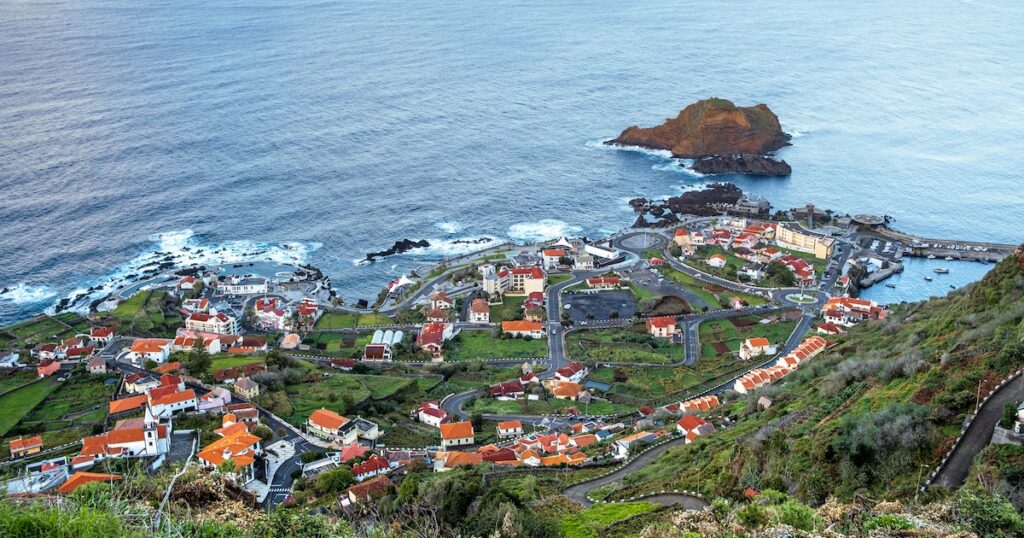
A car is essential for the small villages on the north coast, and very useful for the larger towns like Porto Moniz and Seixal too.
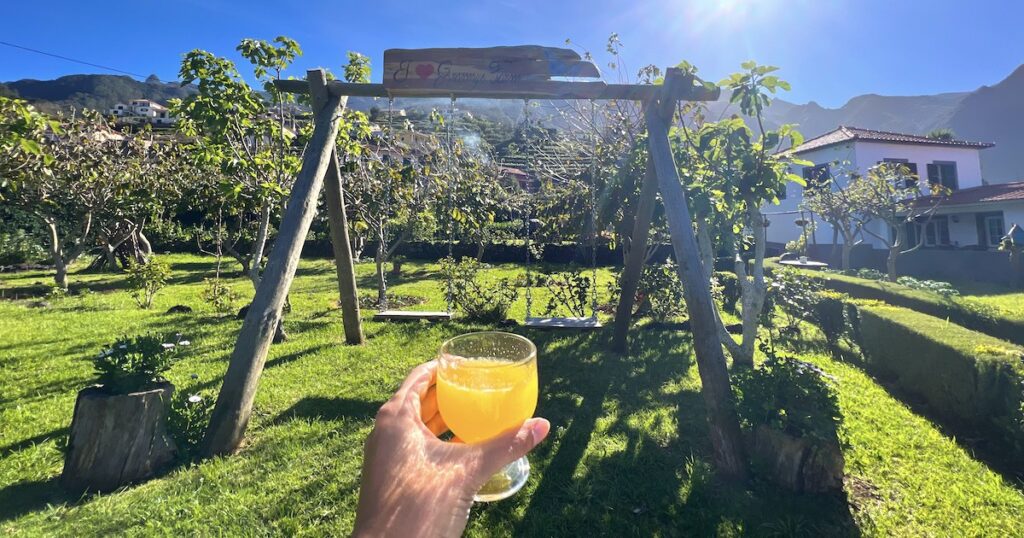
If I were you, I’d rent a car and base myself in the valley of São Vicente. I have stayed at Granny’s Farm here, and it was so convenient for getting around as well as beautiful.
Another thing to note: tours often don’t operate from the north coast, and even taxis are difficult to arrange.
With a car, a couple of days on the north coast is fantastic – especially if you plan a few hikes – but you won’t want to stay much longer.
My guide to where to stay on the north coast of Madeira covers all of the best areas, plus other tips for basing yourself on the north coast.
Where to Stay With vs Without a Car
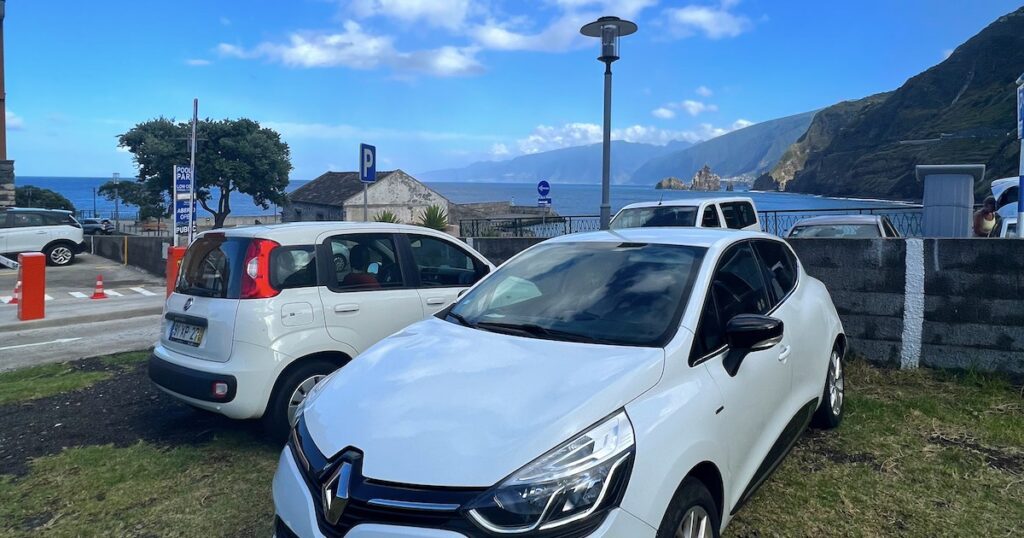
If you’re renting a car, your accommodation options are endless. You don’t need to think about bus routes or tour pick-up zones, so rural holiday homes, mountainside hotels and quieter villages are all realistic.
My full guide to renting a car in Madeira, based on my own experience, will guide you through the steps you need to take.
If you’re exploring without a car, a good location is essential. The best places to stay in Madeira without a car are walkable areas with good public transport connections and tour availability.
Shops, restaurants and other essentials should be nearby. Funchal, especially the Old Town or Lido, is a reliable option.
How to Decide Where to Stay in Madeira
1. Are You Visiting With or Without a Car?
Before anything else, you need to decide whether you’re renting a car in Madeira. If you have a car, you can stay pretty much anywhere on the island.

However, if you’re visiting Madeira without a car, where you stay is far more important. To stand a good chance of getting around Madeira smoothly, you’ll want to be:
- Within walking distance of good bus routes
- Inside a pick-up zone for tours and hiking transfers (usually inner Funchal)
2. Is this your first visit or are you returning?
If it’s your first time in Madeira, I strongly recommend staying in Funchal for at least a few days.
Public transport, tours and sightseeing, as well as everyday matters like shopping, are all just so straightforward in the capital.

Once you’ve got your bearings, you can then think about switching things up by staying in one of Madeira’s many smaller towns or villages.
If you’re returning to Madeira for a second or third time, you’ve probably already explored Funchal and ticked off many of the main attractions.
At that point, you probably don’t need too many Madeira travel tips, and it can feel rewarding to base yourself somewhere quieter or more local.
In this case, some of the best places to stay in Madeira are on the east or north coast, for example.
3. Are you here for hiking, sightseeing or relaxation?
What you plan to do should also influence where you stay:
- For hiking, your priority should be having easy access to trailheads (by car, bus or tour/transfer). You’ll often need to make an early start to beat the crowds.
- For sightseeing, make sure that you stay somewhere with plenty of historic sites, museums and other attractions. Funchal is best, but Machico (the island’s old capital) is another good option.
- For relaxation, it’s a good idea to look for a hotel with a pool or stay near a beach or one of Madeira’s best natural pools.
4. length of Stay
If you’re only in Madeira for a few days, make sure you stay somewhere practical: easy to navigate, close to your must-sees and within walking distance of restaurants or a supermarket if you’re self-catering.
If you’re staying in Madeira for a couple of weeks or more, you can afford to split your time between multiple destinations. This gives you variety, new scenery, and access to different hiking trails and viewpoints.
5. north vs south coast
The south coast of Madeira, home to Funchal, Machico, Ponta do Sol and Calheta, gets the most sunshine. This is where you’ll find the biggest cities and towns, the majority of tours and best public transport.
In comparison, the north coast (Porto Moniz and Seixal) has a much wilder, dramatic feel, with steep cliffs, waterfalls and natural pools. It’s often a few degrees cooler than the south coast and drops into shade earlier in the day.
Public transport is fairly reliable along most of the south coast. However, in the north, routes are patchy and services irregular. I’d say renting a car is essential if you want to stay on the north coast.
What Are The best Types of Accommodation In Madeira?
- Hotels are a good choice if you want the convenience of on-site facilities (pools, restaurants and gyms) and, often, access to a tour desk and taxi transfers.
- Apartments are ideal if you want to self-cater and often a good choice if you’re visiting Madeira on a budget. You’ll just need to check where the nearest supermarket is, and if you’re not renting a car, whether it’s easy to get to on foot.
- Rural villas are also spectacular, especially if you like waking up to a good view, but they’re usually best for tourists who are renting a car. Villages aren’t always well-connected by bus, and shops/snack bars can be limited.
- Glamping is another option, but again, you’ll need a rental car to reach their remote locations. You’ll get spectacular views, but comfort may be more limited.
What Next?
Once you’ve decided your base, you might want to check out my Madeira travel tips to plan the finer details like what to pack and wear and make a plan for getting around Madeira.
I hope you end up loving the island as much as I do!


